The Complete Job Search

HELPModern job seekers have a lot of weapons they can use in the fight for a new job: the trusty old standbys like resumes and in-person networking, and brand new social media sites like LinkedIn and Twitter. So which are the best ones to use in a job search?
The answer is all of them. There’s no need to limit yourself to any one method-you should pursue all the avenues open to you, to make sure you don’t bypass any great opportunities. Here are some of the best tools to leverage in your job search:

Personal Branding is one of the most important steps in the job-search process, but it’s also often the most neglected. Job seekers need to be able to communicate their unique value to potential employers and career stakeholders quickly and effectively, in order to stand out. To identify your personal brand, first write down your unique strengths, and ask your friends, family, and colleagues to do the same for you. Then choose the top three to five commonly mentioned strengths that you feel will support the career direction you want to pursue. Next, find a word or phrase that that represents these strengths and can become your brand. Finally, develop a short pitch that supports the brand, describing your strengths in more detail. You can leverage this “elevator pitch” in all of your networking and interviews.

Resumes are often the first impression an employer has of you as a candidate. To make a strong impression, your resume should communicate your personal brand, be targeted to your industry and the position you’re applying to, and be easy to read (and without errors). There are many free resources that can help you with general resume writing, keyword inclusion, and formatting, but if your resume isn’t returning the right results, you should consider consulting a certified resume writer. A well-written resume will serve you throughout your career, no matter what form it takes as technology advances.

Social Media can be a great way for job seekers to build their personal brands and connect and network online. Networks and tools like Twitter, blogs, and YouTube can all increase your visibility online and demonstrate your value to your industry. A blog, for example, can be a great entrepreneurial venture to include on your resume and online profiles, and it demonstrates industry involvement. Twitter is a great way to learn what’s going on at your target companies, and to connect with people. Your LinkedIn profile can be a convenient place to which to refer potential career stakeholders for more information about your personal brand and experience, and it provides you more visibility online. Plus, LinkedIn’s Companies directory allows you to browse companies by multiple criteria, and the People search feature helps you identify key contacts within each of your target companies.

Job Boards will always be essential tools for job seekers. They serve as one-stop shops for job seekers pursuing the latest job postings in their target industry, company, field, or geographic area. For many companies, a search for relevant resumes posted on job boards is the first step in a candidate search. A job board’s search capabilities can save job seekers a lot of time by helping them help home in on relevant results, and by introducing them to new employers.

Informational Interviews are effective both in a job search and in career networking. By reaching out to contacts in your target industry or company and asking for a few minutes to learn about their career and experience, as well as for a bit of advice (note: this does not mean asking for a job), you get an opportunity to introduce yourself and your personal brand, and make a stronger connection with a potential career stakeholder.

Online Networking can be as simple as sending someone a connection invitation on LinkedIn, writing someone a thank-you email, answering someone’s question on a forum, asking a question during a webinar, following someone on Twitter, or leaving a comment on a blog post. All of these actions initiate a connection and perhaps even a relationship with someone new, increase your visibility online, and may mark you as a potential candidate for current or future job opportunities. In everything you do online, always look for ways to contribute value-with no expectation of anything in return.

In-Person Networking is becoming increasingly effective in the job-search process, especially as more and more people interact digitally. In-person connections and relationships are often much stronger and longer-lasting; therefore, meeting someone face-to-face may help you stand out from the crowd of other job candidates who have been in contact only via email or LinkedIn. Therefore, whenever possible and appropriate, introduce yourself to other professionals and get to know them (and how you and your brand can help them). Join an industry association and attend its meetings and events, volunteer for a local organization, go to job fairs, or look for similar events that are interesting to you. Even if you aren’t at an event specifically to find a job, networking and sharing your brand with others puts you on their radar for future opportunities.

Chris Perry, MBA is a Gen Y brand and marketing generator, a career search and personal branding expert and the founder of Career Rocketeer and Launchpad.
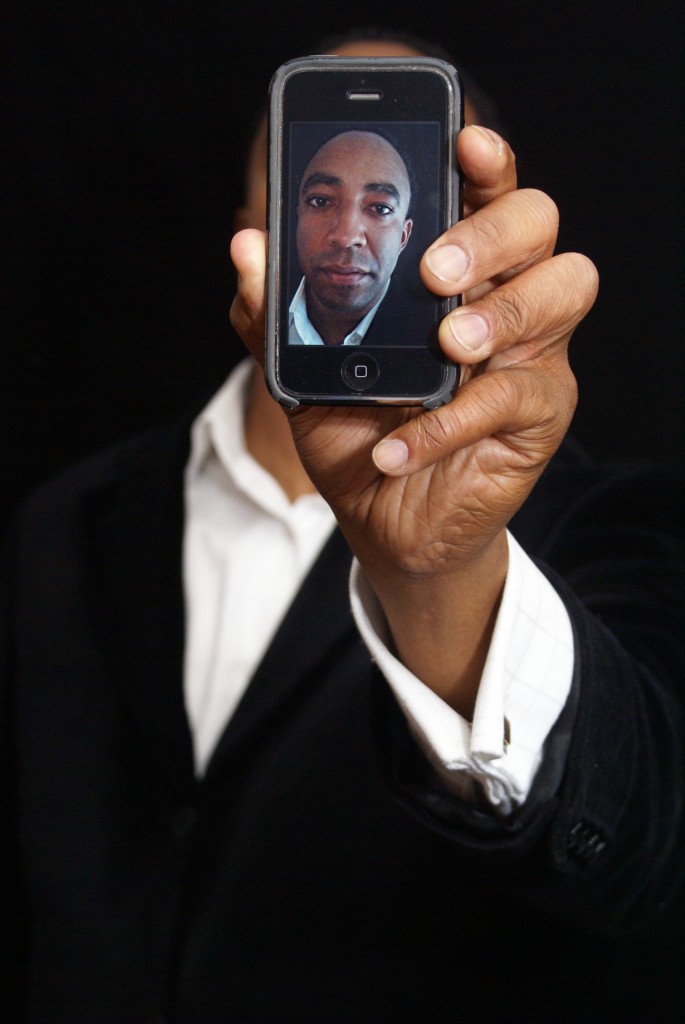

5-Personal Branding Predictions for 2011 by @HajjFlemings

It is that time of year again to identify my personal branding predictions and trends for 2011. I believe it is going to be a breakout year for personal branding. In 2010 we saw some trends that paved the way for what we will see this year. My predictions center around a few basic ideas: scaling, character, business models, disruption and co-working.

As personal brand strategist or whatever title my colleagues coin to identify themselves, we as an industry have communicated to people that they need to have an online presence. A lot of this advice centered around hanging a shingle in one or more of big three social networks (Facebook, Twitter, and Linkedin). Anyone who has followed this advice should know by now, they have the equivalent of a modern day hardcopy resume. It is like saying if you put on a blue suit, shirt and tie you will standout at a job interview. In other words you are going to need to work harder to matter: to standout, and to create value.

5-Personal Branding Predictions

  • Develop your Disruptive Talent – Me too technology and ideas are overrated. Disruption is the new normal. Disruptive technology is a term coined by Harvard Business School professor Clayton M. Christensen to describe a new technology that unexpectedly displaces an established technology. In his 1997 best-selling book, “The Innovator’s Dilemma,” Christensen separates new technology into two categories: sustaining and disruptive. Understanding disruption and it’s positive impact on technology serves as a starting point for understanding disruptive talent.

How do you translate the skills/talent you have into value? You will be forced to recognize not what makes you fit in but what makes you stand out. This will require some soul-searching and a very introspective view of who you are. Without identifying and developing your disruptive talent you will be unemployed, underemployed, or unfulfilled working at something you are not passionate about. Instead of ‘living the dream’ you will be ‘dreaming the dream.’ Key: Identify your disruptive talents.

Scale – Developing a personal brand isn’t the challenge. Scaling a personal brand is an even bigger challenge? Creating something that people want to connect with, that has value in your passion is a different story. The biggest challenge and growth area for personal brands is how to scale. As a person you can only be in one place at a time so scaling you is impossible. The foundation is that personal brands have to ask this critical question.

What is the difference between an idea and a business?

Business Models for Personal Brands – With the onset of the social web everybody has been running to try and figure out how to make money with it especially those with strong personal brands. The focus will need to be on business model development will be the key. What made the iPod so successful was not the fact that it was just a cooler device. The difference was the business model; Apple hit a home run when it developed iTunes. The business model for personal brands is still being defined. (1) Pure entrepreneurs, (2) Grustler or (3) somewhere in-between. The link between job creation and business creation was validated in a report by Kauffman Foundation.

Examples:

  • Gary Vaynerchuk – Vaynder Media and Books (Crush It and The Thank You Economy)
  • Chris Brogan – New Marketing Labs and Books

Character 3.0: Drives Profit – Tiger Woods in 2010 shows the cost of poor character, diminishing values and the impact that social media has on the personal brand. The Tiger Woods situation cost sponsors between $5B-$12B. We clearly saw the connection between character and revenue generation. With the increasing emphasize of company recruiters using social networks as a character validate will be come increasingly important to populate the correct the content online. According to Careerbuilder.com 45% of recruiters validate potential job applicants in Facebook and Linkedin. After those employers checked their profiles online 35% changed their decision based on the information they found. More importantly, lifestyle will impact revenue generation and business opportunities.
Anywhere Economy (Mobile Powered) – Use of mobile devices like iPhones, iPads and Galaxy tablets to share your experiences and increase brand awareness and share ideas in a creative and meaningful way. Mobile technology will be the engine that drives personal branding movement. The use of web enabled mobile devices will allow people to work creating the anywhere.

  • Ball of Clay – The disruptive talent will identify ways to utilize mobile tools to scale ideas-to-businesses.

Co-Working Growth – The need for space to house the free agent workforce will continue to grow. In Michigan one of the premier spots is Urbane Space in Birmingham, MI. According to the Kauffman Foundation there were 558K businesses started in 2009. This was the highest entrepreneurial activity in 14-years. Some of this activity is driven by the economy. In the end we have more people how are working from themselves. I expect to see a substantial increase in co-working spaces to accommodate this engaged workforce.

List of Co-Working Spaces

  • Urbane Space (Co-Working Space: Birmingham, MI)10 International Co-Working Spots
  • 53 Co-Working Centers in the Top Cities for Entrepreneurs

I look forward to seeing you dominate in 2011.

Photo Credit: Troy Johnson - Covenant Digital Photography

Is LinkedIn Holding Back Your Job Search?

LinkedIn wasn’t designed to do anything but help you advance your career and share your personal brand with current and future network contacts. In fact, I can personally testify to the power of LinkedIn in a career search, for it was LinkedIn that enabled me to make the connection that led to my current role.

Therefore, I don’t believe that LinkedIn itself could ever be guilty of holding back your job search. However, what I do believe is that you may not be leveraging LinkedIn and its many features effectively in your search efforts to find and secure your next opportunity.

Here are 15 ways you can use LinkedIn to accelerate your career search:

1. Complete your profile 100%. LinkedIn provides you a step-by-step guide to complete your profile. Not only does completing your profile 100% make you look more professional, but it also, helps optimize your placement in LinkedIn’s People Search results.

Here’s what you need to have a 100% complete profile:

  • Your Current Position
  • Two Past Positions
  • Education
  • Profile Summary
  • Profile Photo
  • Your Specialties/Skills
  • 3 Recommendations

2. Add a professional photo. Don’t forget to add a face to your name and to the brand you are creating on your LinkedIn profile. This helps build a stronger and more personal connection between you and your profile viewers. Also ensure that your profile picture is professional so to maximize your first impression.

3. Proofread your profile for grammar, punctuation and capitalization. Make sure to review your entire profile a number of times to avoid missing any grammatical errors. Ask someone you know to review your profile for an outside perspective and for an extra pair of eyes to catch possible mistakes or opportunities for improvement.

4. Feature your personal brand or statement in your profile. First of all, in your profile subtitle, don’t miss the opportunity to attract more profile viewers and impress potential employers and career stakeholders by listing yourself as “Finance Professional,” “College Student” or anything else generic or boring. Use this area to share your brand and unique and differentiating value with your network and future target audience. Also, don’t forget about your summary section where you can feature your personal brand and supporting pitch and really hook viewers to read the rest of your profile.

5. Customize your own LinkedIn profile URL. Many professionals forget or neglect to personalize their LinkedIn profile URL with their name and leave the default letters and numbers in place. This looks less professional, but also prevents you from using this in your networking efforts to link your contacts back to your profile.

6. Share links to your websites or other networks. Cross-promote your activities online by adding links from your LinkedIn profile to your website, a blog, your Twitter profile, your VisualCV, or any other site you want to share with your network.

7. Get recommended. LinkedIn allows you to collect short, yet informative recommendations from anyone in your network. This is a great feature that helps you come across as a credible, top professional and/or job candidate.

8. Make your profile public. While your privacy is definitely important, establishing an online presence is essential to being found by others and to advancing your career. Make sure not to make your profile private, or you may miss out on opportunities to be searched and found by potential career stakeholders.

9. Round out your profile. There are a number of ways you can enhance your profile and let your personality and brand shine a little brighter in your LinkedIn Profile. Most importantly, don’t forget to add your interests, hobbies or passions in the Interests area as an additional way to connect with new contacts.

10. Get some apps! Check out the various applications available that can do everything from stream in your tweets and feed in your blog posts to share your past presentations and your recommended reading lists.

11. Join LinkedIn Groups. There are thousands of networking groups on LinkedIn for you to join, whether they be for your college, graduate school, current or past employers, industries, associations, functions, you name it. Join any groups that you think will help you in your career networking and start getting active. Participate in discussions and start your own. Post links to articles and resources that will be helpful to the other members and always look for ways to add value.

12. Conduct informational interviews: Most job seekers forget the power of informational interviews. As you build your network and join new groups on LinkedIn, reach out to these contacts and request a few minutes to discuss their careers, their companies and any career advice they might offer to help you in your own. Many times, these conversations can lead to opportunities not posted on job boards.

13. Use the LinkedIn Jobs section. Don’t forget that LinkedIn has its own job board of both aggregated and exclusive job postings. The great thing about applying through LinkedIn is that 1) many times you can see who posted the job (which can help for follow-up purposes), 2) your profile is only a click away for the reviewers which can help link them to your brand and all of your activities and 3) you can click through to the company and see professionals in your network also employed by the company.

14. Find and follow target companies. LinkedIn’s Companies tab offers a very comprehensive directory of company listings by industry, size, geography and more. Use it to identify contacts at specific companies with whom you can conduct those informational interviews, see if they have job postings and even follow their activity to keep track of any future activity you might be able to leverage to your advantage.

15. Become an Expert on LinkedIn Answers. LinkedIn Answers not only allows you to ask questions to which all of LinkedIn’s members can provide responses, but also allows you to answer others’ questions and get rated as an expert for the information and insight that you share. This is featured on your profile as well showing off your expertise and value to profile viewers.

Chris Perry, MBA is a Gen Y brand and marketing “generator,” a career search and personal branding expert and the founder of Career Rocketeer and Launchpad.

Be 100%: Complete your Profile.

This blog post is about being 100%. The first impression that most people will have about you will come from one of your online profile. Does your profile accurately communicate what you want employers, your community or potential strategic partners to know about you? It is the small that is the new big: completing profiles, correcting spelling errors, etc. that will communicate volumes about your personal brand. How important is it to be 100%? Your social network profile is apart of your digital marketing strategy. It is a strong indicator of your ability to finish and complete assignments. Completing your social network profiles is more about communicating a commitment to being a person of excellence.

Why your Profile Should be 100%

  • Linkedin: 100% Complete Profiles – Recruiters expect Linkedin profiles to be 100% complete. This is one of the key characteristics that recruiters are looking for when identifying potential candidates. You also have a higher probability of coming up in Google searches due to the inclusion of key words that would be used in a complete profile. You should include your companies, education, references, recommendations, and avatars. Remember to link to sites where you have written content recently.
  • Consistency Across all your Social Network URLs – When completing your social network profiles it is important that there is consistency. You should not be Dr. Jekyll and Mr. Hyde. Make sure you have done your due diligences and communicated a consistent message.
  • Branding your Social Networks URLs – Owning your identity on rental digital real estate (Social Network URLs) is important. All social networks give you the ability to customize your URL so own it before someone else does. One of the ways to do this is to identify the availability of social network URLs and Knowem.com is one way to do that. At a glance you can determine if you want to establish a profile in a particular social network.
  • Missed Opportunities – What opportunities will you miss out on because you have incomplete profiles? When someone follows me in Twitter if there is no website address in the profile I personally will not follow the person back. This could eliminate the opportunity for direct communication via DM. First it sends a message that there is something peculiar. Are you hiding something?
  • Recruiters Viewpoint – What does your social network profile say about you if it is incomplete? Maybe that you don’t pay attention to detail? You don’t complete assignments? You are not through? The missing information could be the critical piece of information that the potential employer might need to select you over other potential prospects.
  • Maintain your Profiles – A car runs better when the oil is changed regularly. It is important to have a routine to regularly review your social network profiles. How often is too often? Your personal and professional goals change and so you need to calibrate your profiles to be in sync. You have to identify the right rhythm for yourself at a minimum when there is a significant change that would impact your profile: change of employer, new position, new skill, or degree/certification.

Everything you do or don’t do communicates something about your brand. Don’t allow the perception of your brand to be tainted because you have incomplete social network profiles. Your social network profiles are living documents and should be a real-time snapshot of you and your personal brand.

Everything you do or don’t do communicates something about your brand. Don’t allow the perception of your brand to be tainted because you were not focused enough to have complete social network profiles.

Be 100%.

Announcement: Brand Camp University adds Adjunct Lecturers: @KellyLux & @Riddick3point0

Today Brand Camp University is excited to announce the addition of two new Adjunct Lecturers (Bloggers): Kelly Lux and Lawrence Riddick. They bring a great deal of knowledge and incite from their career experience and we are very happy that they have decided to share content on BrandCampU.com. They will be posting content that is career, social media, and personal branding related. For more information about Kelly and Lawrence her bio have been included below.

Kelly Lux - School of Information Studies (iSchool) at Syracuse University as Social Media Manager

I recently joined the School of Information Studies (iSchool) at Syracuse University as Social Media Manager. My duties entail designing strategies for the social media efforts of the Syracuse iSchool and Syracuse University. I manage SM accounts on a variety of platforms and engage with a set of diverse populations, while building community and brand awareness.

We are forging partnerships with a variety of social media companies in order to build and expand Syracuse University’s presence in this space. It is our intention to make SU the leader in social media among our peers.

I lead a team of graduate and undergraduate students on a variety of social media projects designed to enhance the social media experience of prospective and current students, alumni, potential donors, employers, researchers, educators and the community.

At the iSchool I am a member of the iComm Team which is responsible for internal & external print, social and web communications content and design.

Most recently, I worked in Career Services at SU managing the Mentor @ SU program, making connections between students & alumni for networking, using social media, one on one meetings and workshops to deliver career advice, and planning and hosting networking events across the country.

For more information follow Kelly at: @KellyLux

Lawrence Riddick - Principal at Clarity Consulting & Design

Lawrence is a dynamic marketing professional with over 8 years of experience in helping brands and ideas emerge and evolve. He has working experience in marketing, design, project management, publishing, and writing.
Most recently while at Experience Marketing as an Experience Director, Lawrence helped his team execute and activate hundreds of sponsored events on behalf of General Motors. Prior to Experience Marketing he worked as a project manager in the branded content publishing division of Campbell-Ewald Advertising on publications such Corvette Quarterly and OnStar Magazine.
Lawrence started his career with an entrepreneurial effort as owner of an agency, The Riddick Group, that serviced small to mid-size businesses with marketing communication solutions. In addition to creating marketing plans and ad campaigns for clients, he expressed his design and writing abilities, as publisher of a branded publication for the apparel company DAVERSE in Detroit, MI.

He is currently consulting individuals and small organizations at Clarity Consulting and Design on marketing, branding, and content creation in the web 2.0 space.

For more information follow Lawrence at: @Riddick3point0

How Portable is your Personal Brand?

How portable is your personal brand? You are responsible to manage your career. The portability of your personal brand is going to become more important and more of an asset as the workplace changes and we become more hyper-connected. Let’s first define the meaning of a portable personal brand.

Definition

Portable Personal Brand: It is the ability to take your online personal brand assets with you when you move from company-to-company, change careers, change positions, or transition to being an entrepreneur. Essentially the digital characteristics and assets of your personal brand move wherever you go.

Why is this important? The number of times a person changes careers is about 5-7 from the research that I have done. The Bureau of Labor Statistics (BLS) doesn’t provide data on career changes but on the number of jobs a person holds in his/her lifetime (which is 10.8 jobs from ages 18 to 42.) So it is not a matter of if but when you are going to change careers and/or change companies. It is critical that you keep your personal brand portable.

Tips for Portability of your Personal Brand

  • Personal Branded Social URLs: Always maintain separate personal branded accounts. Your personal social network account URLs should not be tied to the company accounts as the only accounts you have or manage. When you leave a company your accounts should come with you no questions asked, but this can only happen if you own the accounts. In an ideal world you want to bring your pre-existing accounts with you to your place of employment if they are relevant.

  • Own Your Network: If the contacts in your network are housed only in the social network there is an inherent risk if your account gets comprised or the terms of service changes. Your network will become more of an asset in the workplace, not necessarily because of numbers but become of influence. Create your own personal database from your social network contacts, you need to own your contact list. Download and import your contacts into a personal list that you own and manage (Note: If you are tweeting from company accounts legally you don’t own the contact list. Everyone knows there is a difference between contact names and relationships.)
  • Set-up Linkedin Profiles Properly: Set up your Linkedin accounts with your own personal email address (i.e. Gmail account). There have been situations where people have been locked out of their accounts because the account was set-up with a corporate email address.
  • Own Your Hub (Don’t just rent): Every professional should own the online hub of their personal brand (the online destination/dotcom.) Make sure your dot com isn’t linked to your current job (i.e. www.HajjFlemingsNike.com.)

Case Study: Frank Eliason v. Comcast Cares

The new poster child of portable personal branding is Frank Elisaon who most of us have known online as @Comcastcares. Frank recently changed companies and is no longer the Comcast Cares guy, like LeBron he has decided to take his talents elsewhere (Note: There was no TV special and Frank left on good terms with Comcast from what I can tell).

Franks former Twitter handle @ComcastCares is obviously not portable and will be maintained by Comcast. Let’s be clear both Comcast and Frank have mutually benefited from the work that was done. Has Frank lost the total value of his personal brand or the work he has done? Absolutely not! There are something’s he will have to start from scratch on and build awareness of his new portable personal brand. If you look at the web location on his Twitter account it is linked to: www.frankeliason.com. Also you can follow Frank on Twitter at @FrankEliason to date he has about 1,700 followers.

@ComcastCares

@FrankEliason

Benefits

One of the major benefits of having a portable personal brand that it can create a unique opportunity for a portable career. What do I mean by a portable career? Portable careers are job situations that don’t depend on location with flexible work environments that allow you to do your job remotely for the most part. With the development of technology: Skype, WI-FI, and other technologies that allow you to work remotely these types of opportunities are starting to increase. Portable careers will grow in popularity in the future as work changes. The forerunner to this is alternative work arrangements which companies have become more comfortable with as a way to provide a benefit to the company and cut cost when they can’t pay an employee more money.

When is this critical? Portability of your personal brand will come into play the most when you are executing a career change or moving to a new employer.

How Portable is your Personal Brand?

3-Personal Branding Types: Builders, Grustlers, & Leapers

Personal brands operate in one of three worlds: Builders, Grustlers, or Leapers. Now let’s break down the three types, as you read through the descriptions identify which one you are. As a backdrop the workplace is changing, emerging technology is impacting the way we live and communicate, and globalization is shifting when, where and how we work.

Builders (Intrapreneurs) – A builder is a worker that is wired to work in an existing corporate or company structure. Organized working structures typically have regular pay periods, access to company resources, and systems/processes in place that allows people to work in a structured environment. This type of individual enjoys working for someone else and building someone else’s dreams while developing themselves and their personal brand. Most universities and colleges teach students to auto-follow this mentality regardless of how a person is wired because it has been the safe option historically. The biggest benefits of this category are the halo effect and company resources.

Benefits of Builders

  • Halo Effect – Working for a large corporation can position you for great opportunities that are a direct result of your association with the company you work for.
  • Company Resources – The resources that are available at a large corporation can be very beneficial to your career: experience using enterprise software, databases, cool projects and access to priority data.
  • Expanded Network – Great network building opportunities: attending conferences, company networking events, and the visibility to higher-level executives.

Examples: Jeremiah Owyang

Grustlers (Hybrids) GRUSTLE is the combination of a daily Grind (job) and a Hustle (your passion). In my book ‘The Brand YU Life’ the first degree (or principle) is ‘Identify Your Passion’ which is the cornerstone of Grustlin’.

Definitions

Grind: A grind is a job; employment; typically your primary source of income.

Hustle: A hustle is your passion, what you would love to do full-time and what gives you the most satisfaction. It is what you typically do after you work your daily grind.

Your career/job is the primary source of income that you use to seed your passion. This is a minimal risk option that allows you to develop and grow your ideas without the pressure or financial weight of doing it full-time. This personal brand type tends to operate as more of a transitional phase for people shifting from being a builder to a leaper. There are various forms of Grustle: (1) Being a college student and establishing a blog or having a 9-to-5 job and starting a business on the side are two examples.

Benefits of Grustlers

  • Future Job Security – Operating in a grustle is a new form of job security. Depending upon a single employer or a single career to be your financial source for your entire career is more risky than ever before.
  • Additional Financial Stream – Grustling allows you to add an additional financial revenue stream in your area of passion.
  • Career Transition – It is a career strategy to enable you to transition into a new career that doesn’t mesh with your past work history or educational background.
  • Practice over Theory – It allows you to demonstrate your capabilities in the real world versus claiming expertise in theory. It goes beyond what you learned in the classroom.

Examples: Gary Vaynerchuk

Leapers (Entrepreneurs) – Pure entrepreneurship doesn’t appear typically to be innate because it is talked out of us as a child by parents and teachers. In college we are brainwashed to think of ourselves as builders only. It is only after years of making someone else rich, being downsized, outsourced, or fired that we are forced to follow our passion. Some do arrive here after working for someone else and having a great work experience.

Benefits of Leapers

  • You own the results – The risk and reward is greater but you own the results the fruits of your labor.
  • Lifestyle Management – Leapers have the most impact on their work environment whether it is a home office, co-working, coffee shops, or cubicles.
  • Leaders of Innovation – Small enterprises with less bureaucracy are typically the innovative companies which are lead by visionary leapers.

Examples: Kevin Carroll, Mark Zuckerberg

Note: It is possible to be a hybrid of each type as you transition from one phase to another.

People will tell you that you need to work on your own. That is not necessarily true. You have to identify how you are wired. The pressure of being financially responsible for a company is a hugh undertaking your timing and developing must be right. Being true to where you are is the key. There are great success stories in each category.

How you manage your online personal brand should be dictated by the type of personal brand that you are and the stage of your career that you are in.

Demographics

  • Baby boomers (1946-1964) – This group was born during the automotive manufacturing age in the United States and they worked for someone else. If they went to college they were taught to be loyal to their employer. Category: Builders
  • Gen Y (1965-1976) – This group started our careers in the end of the automotive manufacturing boom but were still taught to go to school and work and be loyal to your employer. Category: Builders
  • Millennials (1977-1994) - Economy tanks. They are born grustlers. This hyperconnected group is blogging, multi-tasking and developing online businesses. Category: Grustlers

Identify your personal branding type: Builder, Grustler, or Leaper. The Leaper lifestyle is glorified because it can be a great rag to riches story, or one that changes the world like Microsoft (Bill Gates) or Facebook (Mark Zuckerberg). It can be a recipe of disaster if you are not wired for it.

Personal Branding vs. Career Branding

Let’s explore the differences between personal branding and career branding, and determine which path is right for you.

Read more

7 Ways to Increase Your Job Security

There is a lot of advice and information out there on branding yourself for the job search; however, personal branding isn’t just a one-time activity. Personal branding is an ongoing process that can not only help you advance your career once you get an opportunity, but also help you to keep your job in tough economic times.

Here are 7 tips on how personal branding can help you increase your job security at work:

Demonstrate to your boss that you get it. Make it known that you know what needs to get done and are doing it and a lot more. Today job security is about company security. Any employer feeling on the financial ropes looks for ways to lighten the load. All too often, that means reductions in force, or simply put, layoffs. The people aren’t casualties are those who bring real value to the enterprise. Smart employees brand themselves by making it clear to the leadership that they understand the harsh realities of business and aren’t afraid. They demonstrate that by identifying problems and fixing them, by seeing opportunities and seizing them, and by being a strong voice that motivates positive action. If you’re a whiner and naysayer, you’re toast! If you’re a “I’m with you no matter what,” can-doer, you’re golden. - Dawn Lennon, ConsultBigPicture.com

Be mindful of who you need to be influencing. In many cases, it may not be just your immediate boss or even people in the same office or country. Be very clear about who makes the decisions about your role and department and that they are aware of the contribution you are making. - Paul Copcutt, SquarePegSolution.com

Find an internal champion who can speak knowledgeably about your contributions. A mentor is the best person to serve in this capacity. If you have a mentor who is well placed in the organization, this person is in an excellent position to speak up for you. Very often employees are let go because upper management does not know that they are very valuable. Having an internal champion to speak for you can go a long way in terms of persuading management that you are too valuable to lose. Some organizations have formal mentoring programs in place. If your organization does have such a program, make sure that you take advantage of it. If they don’t look around to see who might fill this role for you. - Cheryl Palmer, CallToCareer.com

Go the extra mile in your role. While you’re building your external brand, you also need to build your brand within your company. If everyone knows you, and knows that you add value to your team through contributions, industry knowledge and industry research, you’ll become more difficult to get rid of. - Erik Vermeulen, ErikVermeulen.com

Go above and beyond your role by getting involved. The more involved and active you can become in the company, the more entrenched and indispensable you become. This could be joining a cross-functional committee, writing for the company blog, sharing/contributing ideas, expertise or opportunities to other functions and teams within the organization, offering to start, lead or coordinate company-wide initiatives and more. This will showcase your value and talents, but also your loyalty and commitment to the company’s long-term success. And who wouldn’t want someone with those assets on the team? - Chris Perry, CareerRocketeer.com

Become the Subject Matter Expert (SME) in your area of expertise! When you are the SME for your area, it is very difficult for a company to let you go unless you are an extremely difficult person to work with, or the company completely changes direction whereby eliminating your functional expertise. However, in addition to becoming a SME in just your area, having a strong foundation of understanding about the overall business of your company and picking your spots strategically for where you add sound judgment and advice in a respectful, thoughtful and positive manner, could also help you stave off being let go involuntarily. - David Kimmelman, GetTheJob.com

Cross-train so that you can backfill a position, if necessary. In an era of cutbacks, you make yourself more valuable if you are flexible and can do more than one job. If your company does not formally cross train its employees, volunteer to be cross trained. - Cheryl Palmer, CallToCareer.com

Special thanks to everyone who contributed to this wealth of personal branding insight!

Chris Perry, MBA is a Gen Y brand and marketing “generator,” a career search and personal branding expert and the founder of Career Rocketeer and Launchpad.

5 Ways to Showcase Your Expertise Online

Here are 5 specific web locations that allow you to directly answer questions - showcasing your expertise in the process.

Read more

Brand Yourself for Promotion

Communicating your unique and differentiating value doesn’t stop once you get a job. Personal branding is important for all professionals across industries whether they are seeking new career opportunities or seeking opportunities for advancement within their current organization.

Here are 7 effective ways you can begin positioning yourself for movement up the corporate ladder:

Communicate Your Goals: Make sure that your managers and/or career stakeholders within your organization are aware of and kept up-to-date on your career goals. You can do this by scheduling career discussions or lunches with them every few months. This not only allows you to share with them your career aspirations, but also provides you an opportunity to solicit more casual feedback from them to better understand where you stand in their minds with respect to potential advancement opportunities. - Chris Perry, CareerRocketeer.com

Weekly Update: Employees often work hard at their jobs, but they do little to communicate to others what they’ve accomplished. Result: the perception is that they’re not that valuable. To avoid this oversight send your boss a weekly update on what you’re doing. Also, check with them to see if it’s OK for you to send a copy to senior management “to keep them up to date.” This 15 minute “Weekly Update” may have more impact on your career than any other report you write. - Jeff Mowatt, JeffMowatt.com

Competency: I advise employees to demonstrate to the boss that they are capable and ready to be promoted. This may seem obvious, but employees should be able to show that they have mastered their current positions before they try to persuade the boss that they are ready for the next level. - Cheryl Palmer, CalltoCareer.com

Volunteer: Assume or accept leadership positions on projects. The more you show your willingness (first) and then the results (second) to take responsibility in your organization, the more visible you become. Hiding in the herd will not get you promoted. - Erik Vermeulen, ErikVermeulen.com

Call with No News: Answering questions/solving problems is a daily activity. Sometimes, however, it takes us longer than we expect to find the answer/solution. Calling to say, “I don’t have that answer for you yet, but I’m working on it,” goes a long way toward inspiring trust and confidence in others. - Frances Cole Jones, TheWowFactor-TheBook.com

Network Internally: Get to know people and make sure people know who you are through socializing. Brazen self-promotion would likely have the opposite effect, but sharing your insights and experience in a non-threatening and informational way will allow others to see your benefits. - David Kimmelman, GetTheJob.com

Stay clear of office politics: During the recession most companies have become breeding grounds for consistent complaint. Leaders are looking to retain and promote talent that will facilitate a positive workplace culture. - Alexia Vernon, GenerationWeCoach.com

Special thanks to everyone who contributed to this wealth of personal branding insight!

Chris Perry, MBA is a Gen Y brand and marketing “generator,” a career search and personal branding expert and the founder of Career Rocketeer and Launchpad.

Photo Credit: some_maya_sketches_by_hahatem, originally uploaded by _hatem_.

Hajj Flemings joins Michigan Tech MBA Online Team


Michigan Technological University recently launched their AACSB accredited two-year Tech MBA Online program for the 2010-2011 academic school year.

I am joining the Tech MBA Online team as the Program Ambassador. As an active practitioner and content contributor in the personal branding world I have always had a passion for personal development and helping people grow their human capital. In this position I will be focused on building brand awareness of the program, coordinating the social media strategy with the marketing department and assisting in recruiting.

Are You Connecting with Your Interviewer?

From personal experience, I can confidently say that communicating a strong personal brand in your interviews can be the difference between getting the position and going home empty-handed.

However, just verbally telling an interviewer what your personal brand is may not be enough. Part of communicating a strong brand is making a strong connection with your target audience (i.e. your interviewer).

The following are some top tips on how to make stronger and lasting connections in your interviews and in turn, more effectively communicate your personal brand:

  • Don’t be afraid to ask questions. You need to make sure the job and company are a good fit for you just as they need to determine if you are a good fit for them. Think of it as a two-way interview. This will allow your character and personality to shine through, as well as give you insight into the position. - Lisa Quast, CareerWomanInc.com

  • Help them relate to you. When doing informational interviews or interviews with managers beyond HR who are actually in your chosen functional area or industry, you can create a stronger connection with them by asking them to share their own career search journey. Ask questions like, “How did you break into [insert industry, functional area or company name]?” and “Do you have any advice for someone trying to get his foot in the door in [insert industry, functional area or company name]?” These questions not only engage them in conversation which often creates a more personal connection, but often remind them of what it’s like to be in the job seeker’s shoes which may help them relate to the challenges you are facing and which may motivate them to assist you in other ways to overcome them. - Chris Perry, CareerRocketeer.com
  • Identify their interests or passions. One way to make a personal connection with interviewers while still remaining professional is to comment on something in their office. Don’t pick anything too personal, such as family photos, but perhaps a piece of artwork on their desk or an item that appears to be a souvenir from traveling. If you’re able to make a genuine comment or pose a sincere question, it can be a great way to get interviewers to open up and talk about themselves. Pick the right item, and the interviewers will remember a warm conversation and that you showed an interest in them. - Laurie Berenson, SterlingCareerConcepts.com
  • Try the path less travelled. When I was a consultant and had to regularly job hunt to keep the paychecks coming, I made a habit of requesting a walkthrough of the area and an introduction to a couple of people that I would be working with, so they could also look me over. I wanted to make a personal connection with as many people as possible, so they would be sure to remember me. Plus, I knew that most interviewees are too terrified to make such a request. While my interviewer was introducing me to someone, I would smile at the person and offer a warm handshake. I would then ask how the role for which I was interviewing would assist them with their daily duties. When possible, I would look for something around their desk that I might have in common with them and could comment on. This not only worked like a charm with respect to building a rapport, but once I started the assignment, I already felt like a part of the group. - Monique LaCour-Henry, CenterStageGroup.com
  • Tell a story. Tell a brief story that illustrates one of your core values or skills. With the job market so tight, the employee’s character matters even more than ever before, and besides, telling the right story can highlight your communication skills. So how do you pick the right story? You can go one of two ways: tell about an event that helped make you the person you are today (i.e., someone they want to hire); or tell a tale that highlights your problem-solving ability. After all, that’s why you’re being considered — to solve a problem or fill a need that the company has. Keep your tale short and sweet. Make sure your anecdote follows the basic form of situation-problem-resolution. And if you pick a story with genuine emotion in it, your interviewer will feel a connection with you. - Bruce Hale, BruceTalks.com

Thank you to all of the experts who contributed to this wealth of interview insight!

Chris Perry, MBA is a Gen Y brand and marketing “generator,” a career search and personal branding expert and the founder of Career Rocketeer and Launchpad.

Photo Credit: untitled, originally uploaded by .faramarz.

Facebook Cost Me My Career!

Facebook Types - The Drunk, originally uploaded by TheGrossUncle.

While Facebook may not be one of the networks or tools that you use in your career search, employers and recruiters are certainly using it in their search for the top candidates.

Take a few minutes to review your profile and consider these tips so you don’t ever have to say that Facebook cost you your career!

Clean up your act. Before you add anything, screen your profile for anything that could be questionable in the eyes of the employer and consider removing it. While Facebook is a social network where you and your friends should be allowed to express yourselves and your personalities, you don’t want any pictures, videos, wall posts or any other content on your profile to taint how you’re perceived by someone new, especially if that someone might be considering you for an opportunity. - Chris Perry, CareerRocketeer.com

Add more depth than a regular resume. A public Facebook profile allows the candidate to provide a media-rich introduction to him or herself before a phone or face-to-face interview ever takes place. Photos and even videos can introduce the hiring manager to the candidate and subtly suggest why the candidate is qualified and the best for the job. Images of the candidate in professional clothing and professional settings, videos of the candidate giving a talk or performing a professional service, etc. can all help to convince a hiring manager that the candidate is one who should be considered seriously as a future employee. - Heather Huhman, ComeRecommended.com

Plan your status updates. Most people just put random thoughts or events on their updates. But by carefully crafting your updates, you can paint a picture of who you are for that prospective boss or buyer.

Don’t get caught up in the games. Facebook has lots of fun features like Mafia Wars and surveys, but you can look like you are a kid without any sense of discretion by blending that with your more professional side in such a public forum. - Drew McLellan, The McLellan Group

Keep professional and personal as separate as possible. Facebook makes this easy by allowing you to set up a Fan page. You can always use your profile as your personal page (be sure to restrict what non-friends can see). Set up a Fan page that clearly states who you are and what you do, and use that to build your personal brand. - David Mathison, BetheMedia.com

Special thanks to everyone who contributed to this wealth of career search insight!

Chris Perry, MBA is a Gen Y brand and marketing “generator,” a career search and personal branding expert and the founder of Career Rocketeer and Launchpad.

Personal Branding: Would your Personal Brand exist without social networks?

Would your personal brand exist without social networks like Facebook and Twitter? Most people would say no.

Let’s take a look at where personal branding started? The roots of personal branding are recognized to have started in 1995 and Tom Peters is known as the father of personal branding which is appropriate. However the historical roots of personal branding go much deeper. Actually we need to go back to the 18th century to look at a few of the pioneers.

  • Borden Milk Co. – Founded by Gail Borden
  • Sears and Roebuck – Founded by Richard Warren Sears and Alvah C. Roebuck.
  • Ford Motor Co. – Founded by Henry Ford

Do any of these names look familiar? People didn’t create names for businesses like Google and Yahoo back in the day they used their names. There was no separation between the person and the business; businesses were birthed out of the DNA of the person.

Personal Branding

In a nutshell your personal brand is your personal DNA it what makes you who you are.

  • Unique Value Proposition: I believe this is birthed out of your passion. It is what makes you different it is the value that you are able to deliver on.
  • Platform: Every person has an arena or space that they will operate. It is where you will make their mark.
  • Character: The real you, who you are when nobody is watching (not sure if that happens anymore), what you believe and your value system.

Personal branding is a process of exposing yourself to a large community in which today social media is one of the main channels. Every personal brand has the ability to develop a digital personality.

  • Digital Personality – It is the digital component of your personal brand that exist online in your various social networks and includes your online activity. It is the authentic you translated into the digital world it is the stream that runs through your tweets, your avatar, and your online content.

I believe Personal branding 2.0 in the future will not separate you from your competitor because it will be the norm. We are creating a mass army where everybody will march to the beat of the same drummer to be relevant. After everybody is on Facebook, Twitter, Linkedin (and whatever the new social network is of the day), setting up a blog, tweets 15-20 times a day, engages their community, and produces relevant content that will be captured in social search what is next? I am not condemning personal branding 2.0 I believe it is vital, I would not be relevant without it.

Personal Branding 1.0 will be more important in the future than Personal Branding 2.0, guaranteed. Nailing the 2.0 component is critical in the day and age we live in especially to be relevant. The true separation will be Personal Branding 1.0 who you are and your values that people will be reading about and spreading to others. Remember social media and personal branding doesn’t make you a better person it amplifies your voice and exposes you to a larger network of people.

I would love to hear your thoughts?

© 2012 Brand Camp University - Site Designed by 4th Park Studios.